






Top Reasons Your Engine Is Burning Oil
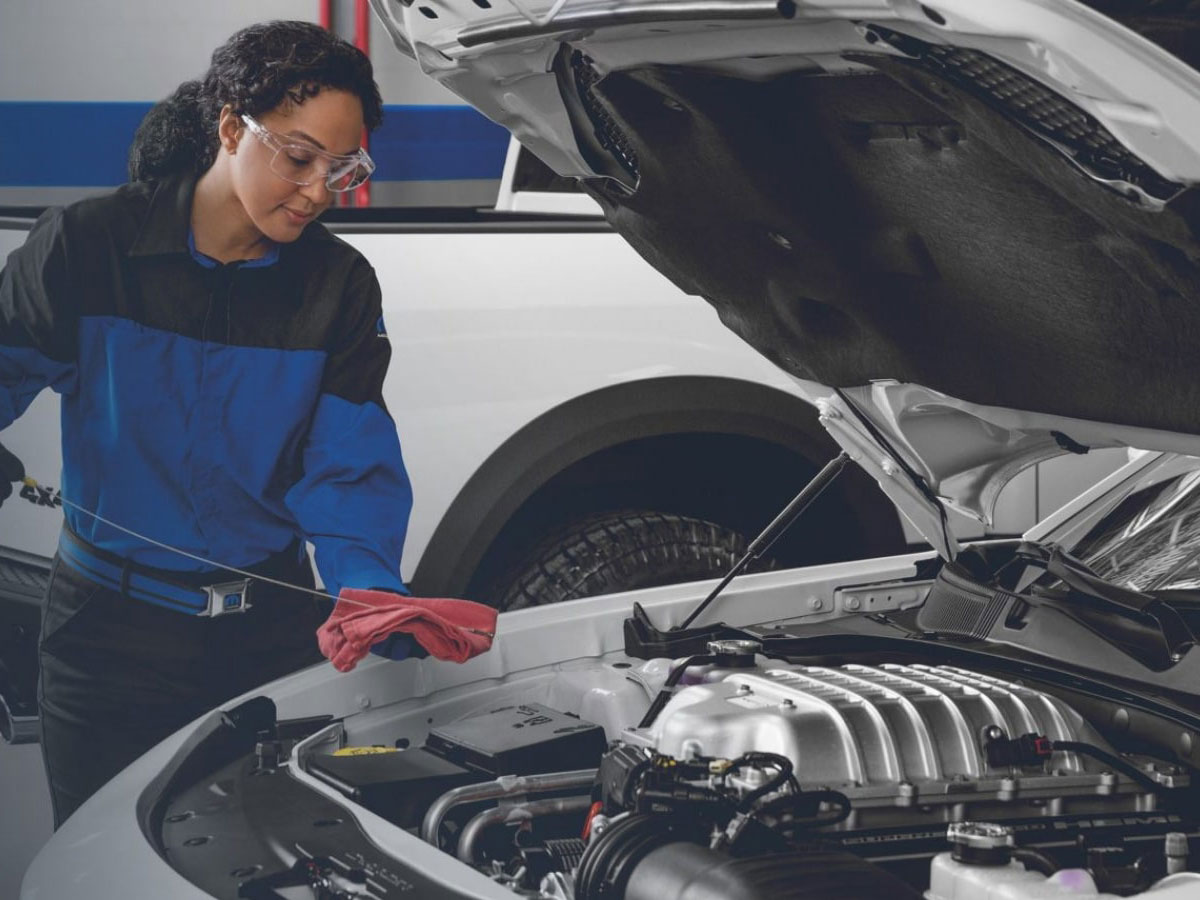
Photo Credit: Chrysler
Understanding and Diagnosing a Burning Oil Smell in Your Vehicle
A sudden, acrid odor wafting through your car’s cabin can be alarming, and a burning oil smell or while driving down the highway is a sign that your vehicle requires immediate attention. This comprehensive guide breaks down why this distinct odor occurs, exploring everything from simple fluid spills to complex mechanical failures. By understanding the common causes, risks, and diagnostic steps, you can protect your engine from severe damage and ensure your vehicle continues to run smoothly and safely.
Common Causes of a Burning Oil Smell
When motor oil escapes its closed loop within the engine, it often comes into contact with scorching mechanical components, resulting in a distinct, pungent aroma. The most frequent triggers for a burning oil smell at Vision Dodge Chrysler Jeep Ram service centers involve fluid leaks dripping onto the hot exhaust system or high engine temperatures cooking residual oil. Whether it is a minor maintenance oversight or a progressive structural failure, identifying the root cause quickly is essential to keeping your vehicle healthy.
Leaking Valve Cover Gaskets
The valve cover gasket seals the top of your engine to keep oil contained around the camshafts. Over time, the rubber or cork material undergoes extreme heat cycles, causing it to become brittle, crack, and fail. When this happens, oil seeps out and trickles down the engine block, often landing directly on the hot exhaust manifold. This creates an immediate, strong burning oil smell drivers frequently notice while idling at traffic lights.
Worn or Damaged Oil Seals
Your engine relies on various seals, such as the front crankshaft seal or rear main seal, to keep oil properly pressurized and contained. As a vehicle ages, these seals wear down, harden, or sustain damage from road debris and friction. A failing oil seal can cause a steady drip of oil onto moving parts and exhaust components, generating a persistent burning oil smell technicians often diagnose during routine multi-point inspections.
Overfilled Oil Levels
Sometimes, the issue is a simple case of human error during routine maintenance. If too much oil is added to the crankcase during an oil change, it can create excessive pressure within the system. This extra pressure forces oil into the crankshaft, where it gets whipped into a froth, eventually overflowing through the PCV system or blowing past seals. The excess fluid then burns off on hot engine surfaces, producing a heavy burning oil smell.
Engine Overheating
When an engine overheats due to a coolant leak, a broken water pump, or a failing radiator, the internal temperatures spike far beyond normal operating limits. This extreme thermal stress can actually cause the motor oil to cook inside the engine block itself. As the oil breaks down under intense heat, it thins out, slips past gaskets, and creates a highly noticeable burning oil smell that is usually accompanied by a rising temperature gauge on your dashboard.
Worn Piston Rings or Cylinders
Internal engine wear can also be the underlying culprit behind an acrid odor. Piston rings are designed to create a tight seal against the cylinder walls, keeping oil out of the combustion chamber. If these rings or the cylinders themselves become worn or scored, oil will bypass the seal and burn directly alongside the fuel during the combustion stroke. This internal burning results in a burning oil smell vehicles display alongside a telltale sign of blue-gray smoke exiting the tailpipe.
How to Identify the Source of the Smell
Pinpointing the exact origin of the odor requires a systematic approach to ensure you resolve the issue safely and effectively:
- Check the Oil Dipstick: Verify your current oil level to see if it is dangerously low or excessively overfilled.
- Inspect Under the Hood: Look for visible signs of wet, dark puddles or smoke rising from around the valve covers and exhaust manifold.
- Look Under the Vehicle: Check your driveway or parking spot for fresh oil spots or active drips beneath the oil pan.
- Monitor the Dashboard: Keep a close eye on the oil pressure warning light and the engine temperature gauge.
Potential Risks of Ignoring the Smell
Neglecting a persistent burning oil smell can lead to catastrophic and expensive consequences for your vehicle. Operating an engine with a chronic oil leak means your fluid levels will eventually drop, depriving critical moving parts of necessary lubrication and leading to total engine failure. Furthermore, motor oil is highly flammable; allowing it to continuously drip onto a scorching exhaust system carries a very real risk of triggering a dangerous under-hood fire.
Preventative Measures and Maintenance Tips
The most effective way to avoid dealing with a burning oil smell is to stay proactive with your vehicle’s upkeep. Adhering to your manufacturer’s recommended oil change intervals ensures that gaskets stay conditioned and oil pressure remains stable. Additionally, using the correct oil viscosity, regularly replacing the PCV valve, and ensuring the oil cap and filter are tightly secured after every service will dramatically reduce the likelihood of leaks developing.
When to See a Mechanic
While a minor oil spill from a recent top-off might burn off after a few miles, any odor that persists for more than a day demands a professional evaluation. If you notice a drop in oil pressure, see smoke rising from the hood, or spot puddles beneath your car, it is time to seek expert help. Scheduling an appointment to diagnose a burning oil smell at Vision Dodge Chrysler Jeep Ram allows factory-trained technicians to resolve the issue with specialized tools before it evolves into a costly breakdown.
FAQ
Q: Is it safe to drive my car if I smell burning oil? A: It is not recommended. While it might be a minor drip, a burning oil smell can indicate a fire hazard or a severe leak that could rapidly drain your engine oil and cause total engine failure.
Q: Why does my car smell like burning oil but there are no visible leaks? A: The oil may be burning internally due to worn piston rings or a bad PCV valve, meaning the oil is consumed during combustion and exits through the exhaust rather than dripping onto the ground.
Q: Can a dirty cabin air filter cause a burning oil smell? A: A dirty cabin filter will not cause the smell, but it can pull the exterior fumes from the engine compartment directly into the passenger cabin, making the odor much more pronounced to the driver and passengers.
More from Vision Dodge Chrysler Jeep Ram
Driving The New Electric Dodge Charger Daytona
Photo Credit: Dodge Testing Out the 2026 Dodge Charger Daytona Electric Moving away from pure V8 muscle to an EV isn’t something most diehard Mopar fans saw coming a decade ago. But sitting behind the wheel of a 2026 Dodge Charger Daytona electric quickly changes your perspective once you press the pedal down….
Chrysler Pacifica Interior Offers Massive Family Space
Photo Source/Copyright: Chrysler Minivans don’t always get the cool points they deserve, but anyone who has ever tried cramming three kids, sports gear, and grocery bags into a midsize crossover knows the struggle. When you step into a Chrysler Pacifica inside at Vision Dodge Chrysler Jeep Ram, the pure utility quickly outweighs any…
What to Expect From Jeep Compass Latitude
Photo Source/Copyright: JEEP The Jeep Compass Latitude: What to Expect Finding a daily driver that handles sudden weather changes without feeling like an oversized tank usually leads buyers straight to the compact SUV segment. Among the available trim options, the Jeep Compass Latitude sits in a practical sweet spot for buyers shopping at Vision…